Spiritual fatigue isn’t a sign of failure; it’s a sign you’re human.
In this week’s episode, we’re talking about why exhaustion isn’t a badge of honor and how “beginning again” starts with one honest prayer—or even just a nap.
In this episode of The Pastor Next Door, we shift our focus from the pressure of “growth” to the necessity of recovery. Spiritual fatigue is real, and often, what we mistake for a lack of faith is simply a soul in need of rest.
The Anatomy of Spiritual Fatigue
We often treat burnout as a badge of spiritual honor, but in reality, constant exertion without recovery leads to:
Cynicism & Numbness: Seeing only failure and hypocrisy in the world and the church.
Over-functioning: The inability to say “no” because we believe everything depends on us.
Performing Faith: Putting on a “costume” of perfection instead of being authentically present.
Resentment: Feeling bitter toward others who are actually practicing the rest we ignore.
What Sabbath Actually Is
Sabbath is more than a day off; it is a theological declaration.
It is an act of trust: A practical way of saying, “I believe God will keep the world spinning without me.”
It is resistance: Sabbath pushes back against the urge for self-justification and the “functional atheism” of constant busyness.
It is a Creation Rhythm: Just as nature goes through seasons of dormancy to prepare for spring, our souls require “winter” to produce new growth.
“Rest is not quitting. Rest is trusting.”
Practical Steps to Begin Again
If you are spiritually exhausted, you don’t need to compensate or apologize. You can return quietly.
Start Small: One honest prayer (even if it’s just “What the heck, God?") is enough.
Physical First: Sometimes the most spiritual thing you can do is take a nap and have a snack.
Digital Limits: Turn off the screens and stop the doom-scrolling to protect your inner quiet.
Embrace Solitude over Isolation: Seek quiet time that prepares you for community, rather than hiding from it.
Closing Thought
Jesus doesn’t ask us to come to him once we’ve fixed ourselves. He asks the weary and heavy-burdened to come exactly as they are. Grace does not expire, and your worth is not a social media “streak.”
Next Week: We wrap up the season by discussing how to build a simple, sustainable Rule of Life.
In our latest study of Revelation, we dove into chapters 8 and 9—a section of Scripture that is as intense as it is misunderstood. We’ve transitioned from the opening of the seven seals into a new cycle: the seven trumpets.
To understand where we are, we have to use a “fancy $10 word”: recapitulation. Revelation isn’t necessarily a straight line from A to Z; it’s a series of cycles that go back to the beginning to cover the same ground with different symbols, taking us “further up and further in” to the spiritual reality of God’s work in the world.
Pastors, let us remember that the grift from the right and from left are equally damaging. Both promise us large crowds by leveraging politics at the expense of grace centered faithfulness.
As we continue our journey through Lent, wandering toward the resurrection, there is one story I haven’t been able to escape. It’s a parable that seems to creep into almost every sermon I preach, regardless of the text. It’s the story many of us know as the “Parable of the Prodigal Son," but the more I sit with it, the more I’ve fallen in love with a different title: The Parable of the Loving Father.
Found in Luke 15:11-32, this story is a cornerstone of our cultural consciousness. We use the word “prodigal” to describe anyone who wanders away and eventually returns with their tail between their legs. But if we look closer at the cultural context and the second half of the story, we find that Jesus wasn’t just talking about reckless rebels—He was talking to the “good people” standing in the room.
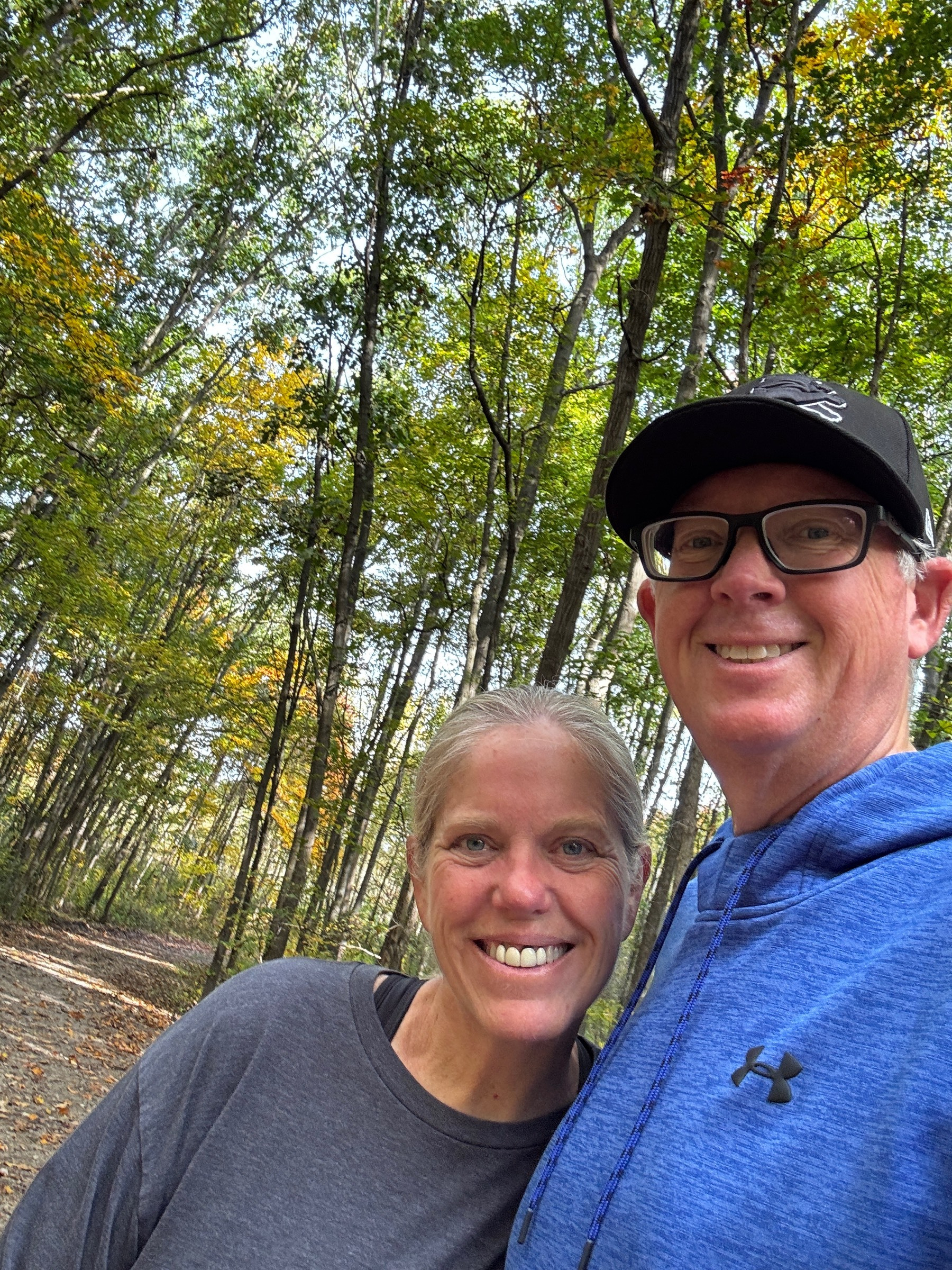
Amy and I are enjoying our brief get away to Iowa City to spend some time with Ethan. We hiked Indiana State Dunes yesterday and Lake MacBride North Shore today.
In this episode, I’m digging into something I’ve been thinking a lot about in my own physical fitness: flexibility. We often talk about building “strength” in our faith, but strength without the ability to bend leads to injury. If our spiritual muscles are rigid, they’re going to tear when life gets heavy.
I want to talk to you about the difference between a rigid faith and a resilient one. Whether you’re wrestling with questions, feeling the weight of “certainty,” or unlearning things you were taught as a child, I want you to know that a faith that stretches isn’t a faith that’s failing—it’s a faith that’s growing.